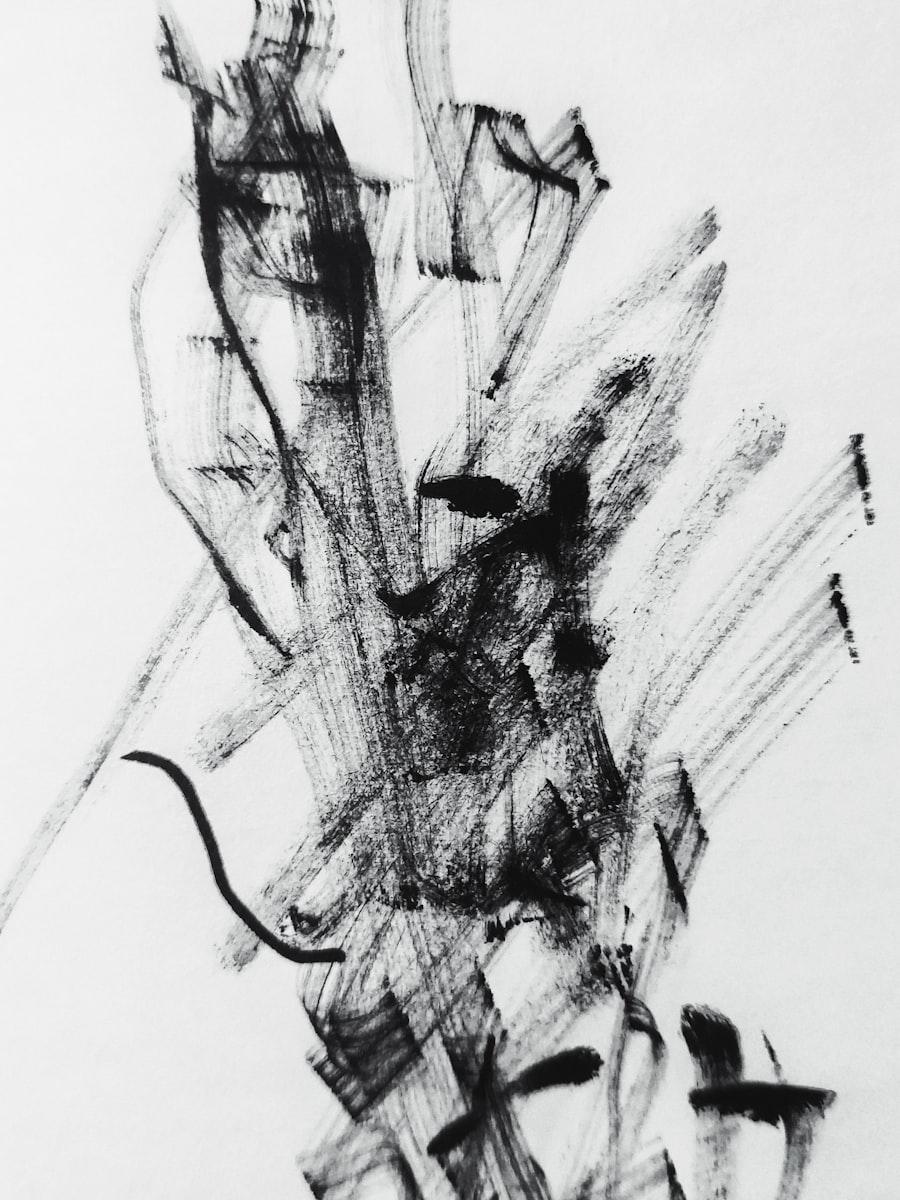
I get asked about my tools more than anything else. At every portfolio review, every convention table, the first question is always the same: what pen is that? So here it is, all of it, laid out the way I actually think about it when I sit down to work.
The Nib Matters Less Than You Think
I use Speedball C-series nibs for lettering and broad strokes. For detail work, I use a Hunt 102 crow quill. That nib costs about $1.50 and lasts me roughly two weeks of daily use. I've tried Brause, Leonardt, Nikko G, and a dozen others. They're all fine. The differences between nibs matter far less than how you load them, how fast you draw, and how wet your paper is.
The real game-changer for me was learning to rotate the nib holder. Most beginners hold the pen at one angle and try to muscle through thick-to-thin transitions. If you rotate the holder about 15 degrees toward your thumb on down-strokes, the nib opens naturally. You get line weight variation without fighting the metal.
Paper Prep is Half the Drawing
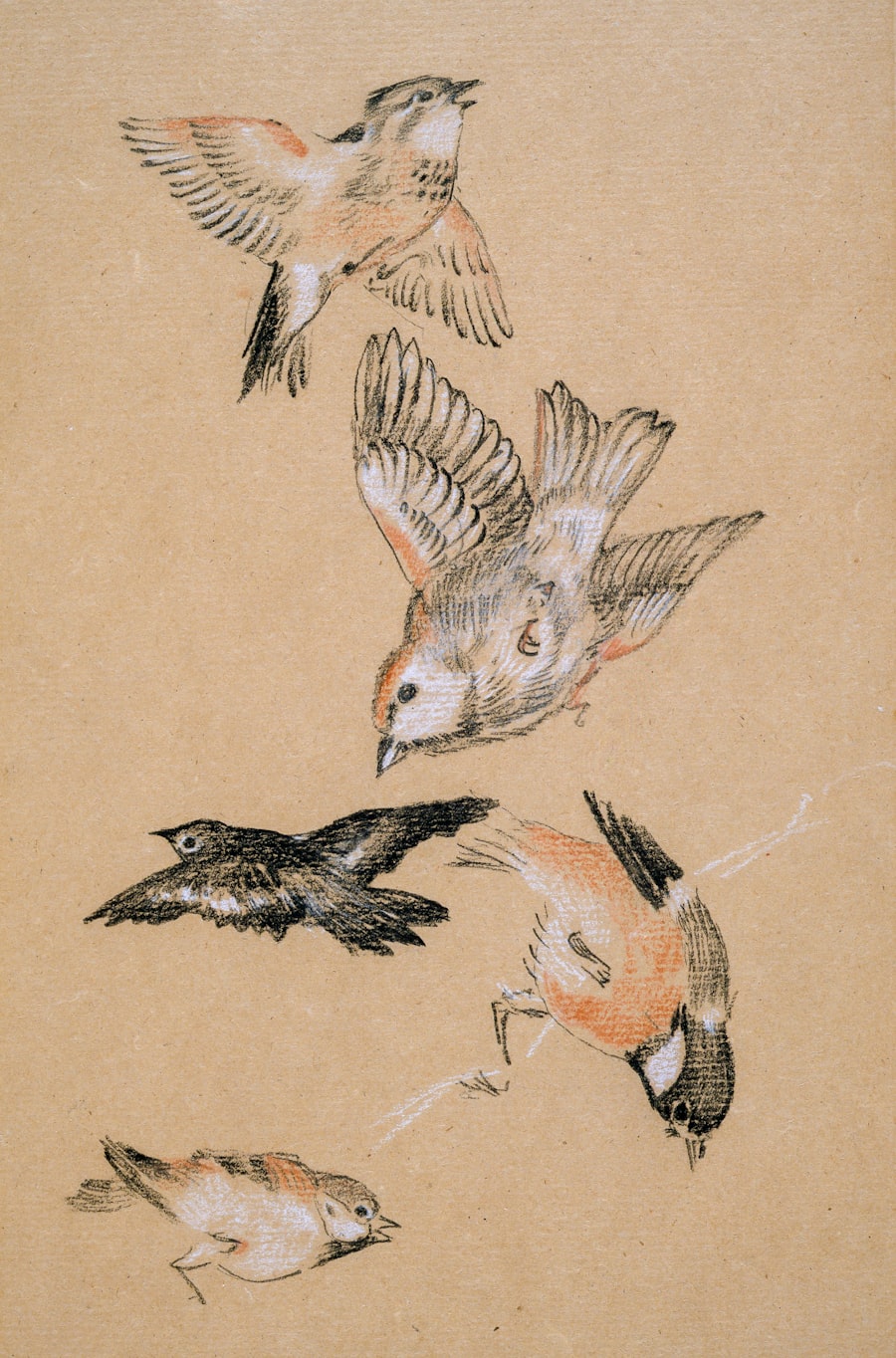
Strathmore 400-series bristol, smooth finish, is my default. I buy it in 19"x24" pads and cut it down. Before I draw, I wipe the surface with a clean cotton rag. No solvents, nothing wet. Just a dry wipe to pick up dust and skin oils from handling. If I skip this step, my ink feathers on the first stroke.
For wash work, I switch to Arches hot-press watercolor paper, 140lb. It handles wet media without buckling if you tape it down on all four sides. I use painter's tape, not masking tape. Masking tape tears the surface when you pull it up.
"The best paper in the world won't save a bad drawing, but bad paper will absolutely ruin a good one."
Building Texture with Crosshatching
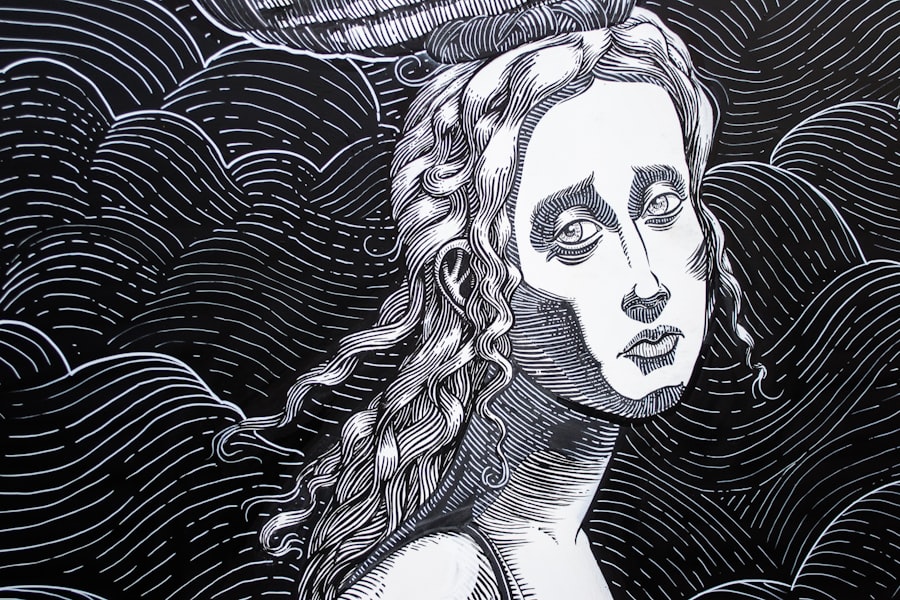
My crosshatching technique comes from studying Franklin Booth and Joseph Clement Coll. Both of those guys built entire tonal ranges with nothing but parallel lines. No stippling, no wash, just lines at varying densities.
The trick I stole from Booth is to never cross your lines at 90 degrees. Keep the angle between 15 and 30 degrees. This creates a fabric-like texture instead of a grid. It looks organic, like something grown rather than constructed. I practice this on scrap paper for about ten minutes before starting any job that requires significant hatching.
For really dark areas, I go three or four layers deep. First pass runs roughly northeast. Second pass goes almost horizontal, maybe 20 degrees off. Third pass splits the difference. By the fourth layer, the paper is nearly black, but it has depth that a solid fill can't match.
When Digital Makes Sense
I'm not a purist. About 40% of my finished work goes through Photoshop before delivery. The scanner is an Epson V850, which handles up to 12"x17" originals at 6400dpi. I typically scan at 600dpi in grayscale, then adjust levels and clean up stray marks with the eraser tool.
Color gets added digitally on most editorial jobs because art directors need to adjust it to match layouts. I use a limited palette, usually four or five flat colors laid in on multiply layers. Nothing fancy. The goal is to support the ink drawing, not compete with it.
For book work and personal projects, I prefer to add color with watercolor or gouache on the original. There's a warmth to traditional color that I can't replicate on screen, even with the best Wacom tablet. The happy accidents of paint bleeding into wet ink produce effects I'd never think to draw intentionally.
The Part Nobody Wants to Hear
Tools are 10% of the work. The other 90% is drawing every single day, looking at other people's drawings, and being honest about what's not working in your own. I fill about three Moleskine cahier notebooks per month with studies, thumbnails, and bad ideas. Most of those pages are terrible. That's the point. The sketchbook is where terrible happens so the finished work doesn't have to be.
If you want to get better at ink drawing, buy a $3 nib holder, a bottle of Higgins Black Magic, a pad of cheap bristol, and draw something every day for six months. You'll learn more from that than from any workshop, YouTube tutorial, or gear review. Including this one.